ETF Workplace Policy Guidance Addressing Violence and Harrassment
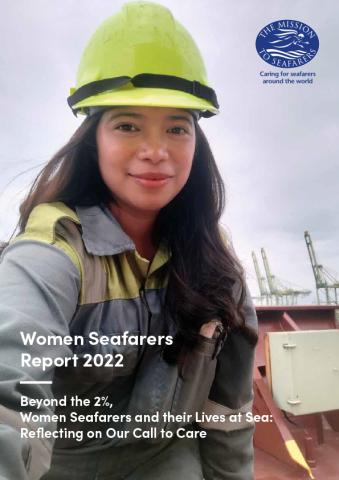
This guidance aims to increase awareness about violence and harassment against women transport workers and ways to prevent and address the problem.
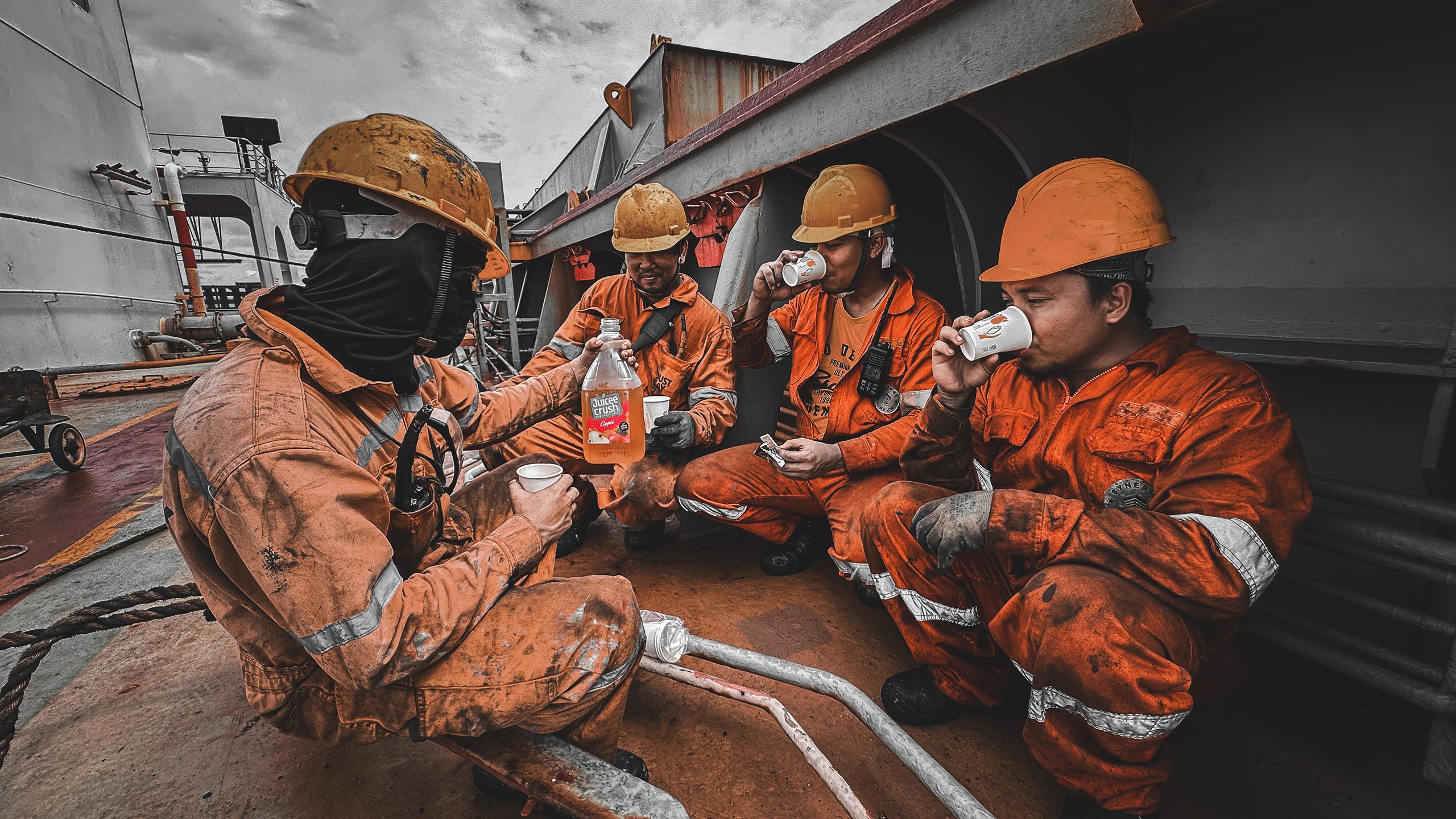
Seafarers move the world, sustaining our economies and communities – but they routinely face exploitation. The ITF fights for seafarers’ rights.
This guidance aims to increase awareness about violence and harassment against women transport workers and ways to prevent and address the problem.
A Flag of Convenience (FOC) vessel is one that flies the flag of a country other than the country of ownership. It is attractive to shipowners who care more about their bottom line than the welfare of their seafarers, because it can save them money.
Double bookkeeping is an unlawful accounting system in which seafarers are forced to sign two different sets of contracts and/or wage accounts.
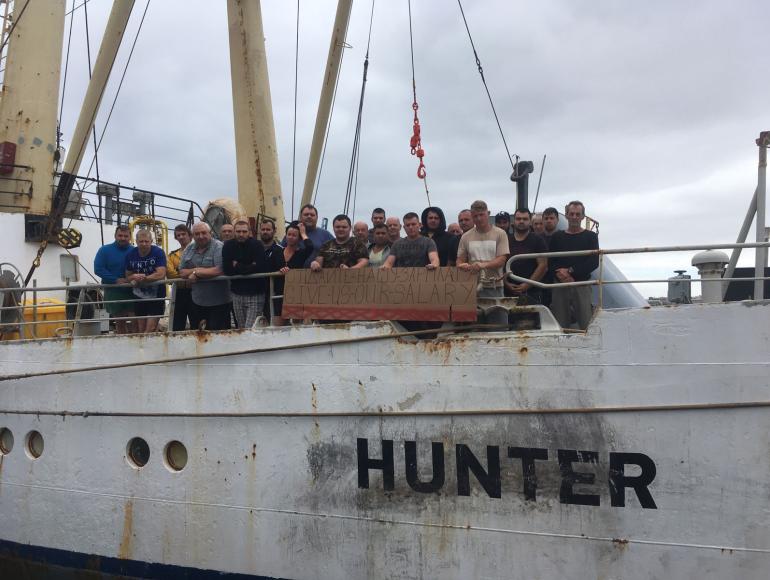
Abandonment happens when shipowners refuse to accept their responsibilities to support the crews on their vessels.
The Seafarers’ International Union of Canada decided that surveying our membership regarding the issue of harassment was a necessary step in addressing these problems that unfortunately exist on board seagoing vessels across the country, impacting tens of thousands of hardworking seafarers. Harassment has been a known issue in the industry for quite some time and the SIU Canada made the decision to take the first step in trying to grasp the severity and scope of the issue among our membership, after similar action was taken by our friends with the Norwegian Seafarers’ Union. We thank the Norwegian Seafarers’ Union for leading the charge globally on confronting these problems.
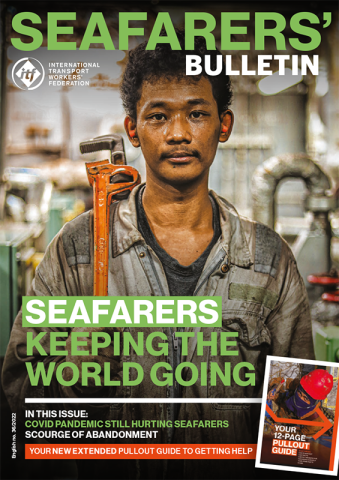
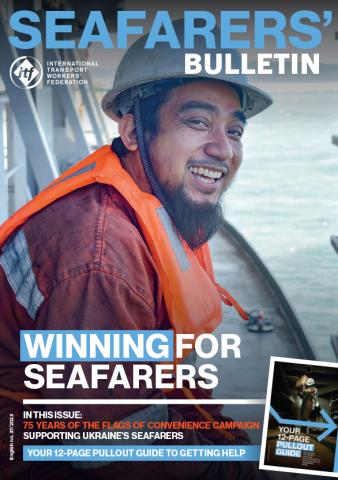
This issue of Seafarers’ bulletin marks the 75th anniversary of the ITF’s campaign against flags of convenience. Thanks to our efforts, this discredited system is firmly on the international agenda. We show what FOCs really mean for seafarers, and we celebrate the wins achieved for seafarers by our inspectors, working with our affiliated unions.
This IBF Agreement is based on the IBF Framework CBA which sets out the standard terms and conditions applicable only to seafarers serving on any ship owned or operated by a company in membership with the Joint Negotiating Group in respect of which there is in existence an IBF Special Agreement.
Together with the IBF Special Agreement and the IBF Memorandum of Agreement, which may contain additional terms and conditions relevant to seafarers, the IBF Framework CBA makes an integral part of the general IBF settlement negotiated between the International Transport Workers Federation (ITF) and the Joint Negotiating Group (JNG) of maritime employers.
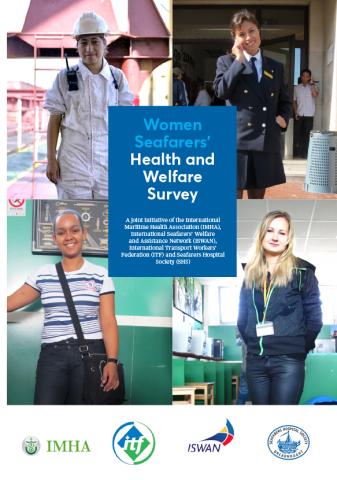
After recognising this possible gap in available health information and provisions which address health issues specific to women seafarers, representatives from IMHA, ISWAN, ITF and SHS designed an online pilot survey to find out how women currently working at sea view their health needs. This was conducted from the beginning of June 2014 for two months and was completed by 100 respondents.
Norwegian Seafarers' Union examine the incidence and extent of bullying/harassment and sexual harassment among the union’s members. A quantative online survey was sent to members. Also available to download are follow up in-depth interviews.
Turkish-owned vessel detained with fake safety papers, a forged wage-security certificate, and crew owed USD68,000 in wages
The International Transport Workers’ Federation (ITF) and the Joint Negotiating Group (JNG), as social partners of the International Bargaining Forum (IBF), have agreed to mainta